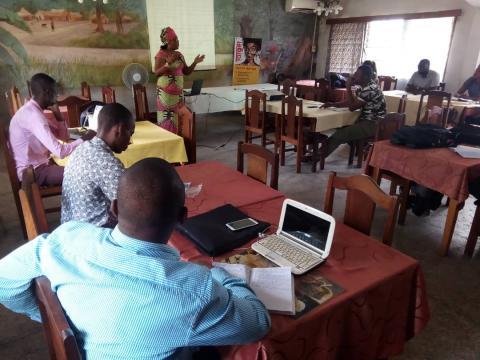
The Medias of Kinshasa have been invited this Wednesday, August 7, 2013 at the introduction of the results of the study “IMPACT OF ADVERTISING IN DR CONGO”,



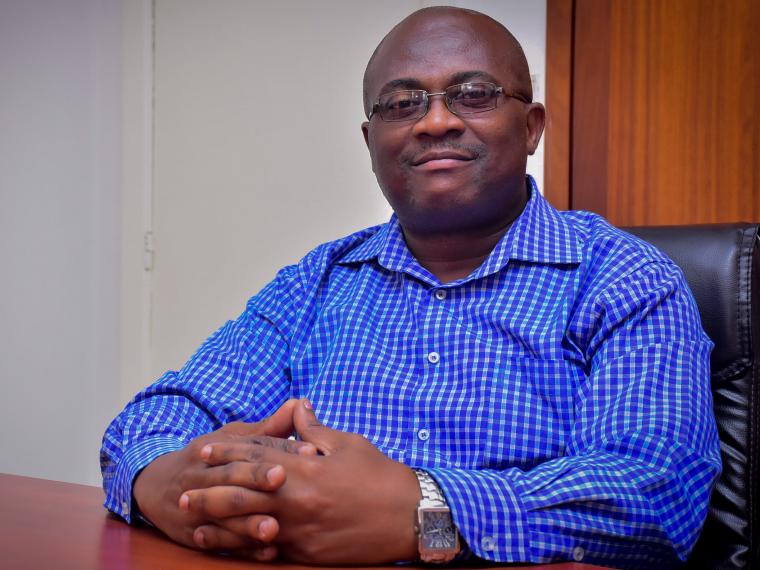
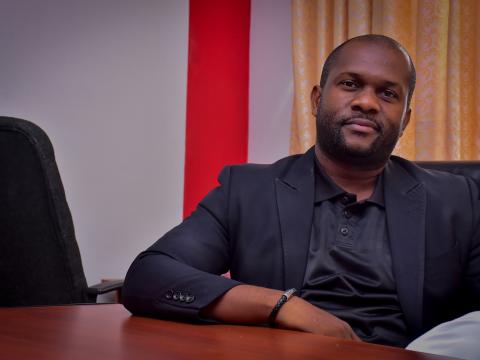
Saleh SIKOFU: “Our documentary researches are contribution to Africa development”
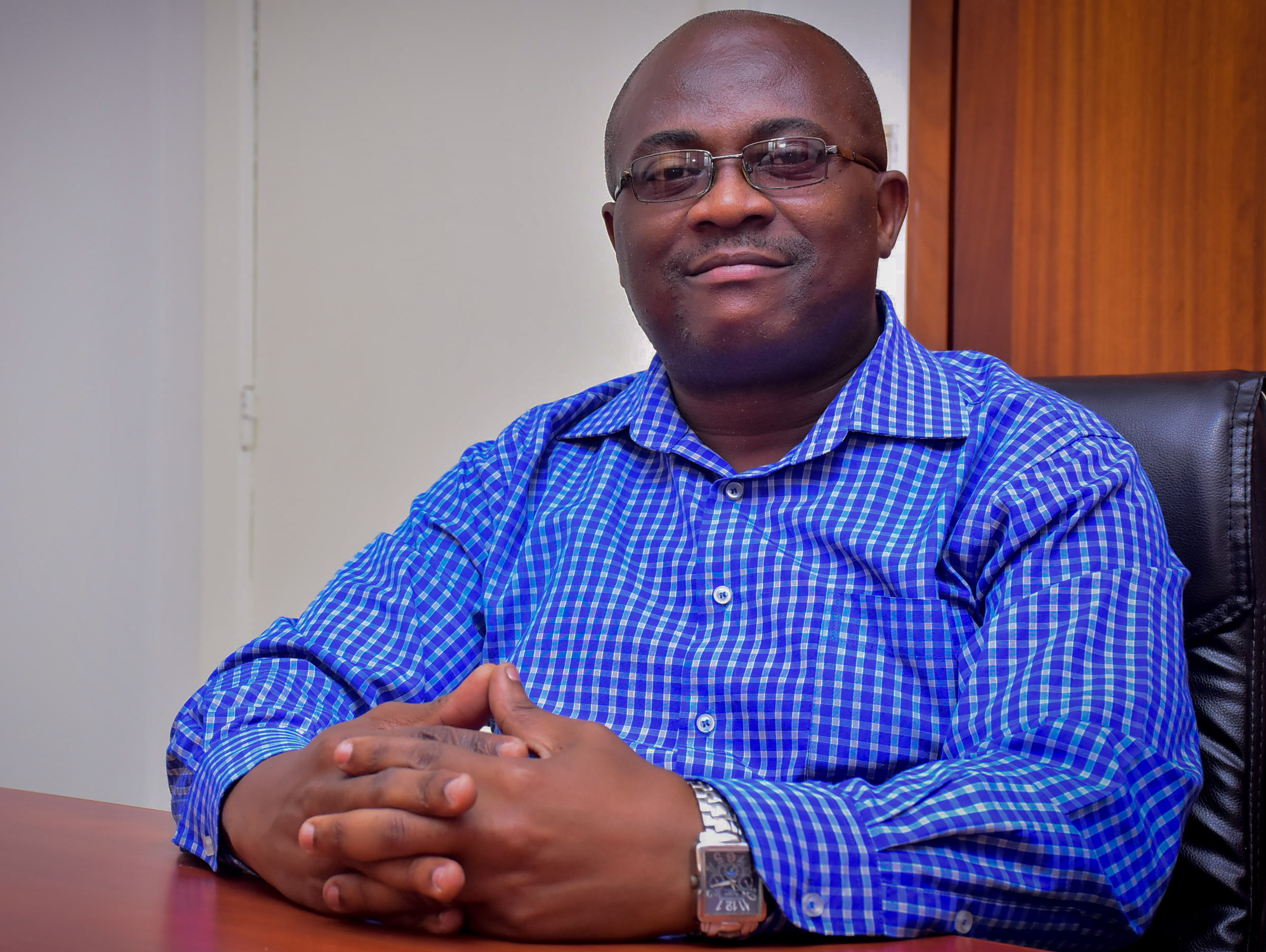
Target is about to launch a new edition of its newsletter. Several subjects are prepared, especially the agency regional coverage extension with three new countries. These documentary researches that the agency is increasingly producing as bonus to researches already conducted, are holding a privileged position within this newsletter as well as some technological innovations that the agency is willing to implement in data collection. Saleh SIKOFU, Research Specialist within Target explains everything to you. Interview
In the newsletter to be released very soon, we are going to discover that Target currently covers 9 African countries. How did you proceed with data collection in all these countries?
As an agency dealing with market research, opinion survey and consulting, we are called to accompany our clients and prospects all along the road of conquering a specific market. Data or statistics allows assessing a country development level and helps defining priorities for investments. Therefore we proceed with a cross – checking of information coming from several sources, especially official data of national institutes of statistics and national electoral commissions as well as UNDP data.
What kind of researches is Target able to conduct in these new countries whereas it is launching its activities? And what are countries involved?
We can offer the same types of quantitative, qualitative and documentary researches as we are already dealing with in DR Congo and elsewhere. This year we have conducted researches in three new countries: Ivory Coast in February, Sierra Leone in April and Uganda in June.
In 2017, the Agency added documentary researches to what usually providing as service. Why?
The Agency has always conducted confidential documentary researches for private clients. Two principal reasons are to be disclosed: On the one side, statistics on DR Congo are very few and public services hardly provide ordinary Congo people with data (there is an issue of standardization in several fields); on the other side, we are receiving several organizations and freelance researchers interested in DR Congo data. When it comes to gathering all elements; we have conducted several documentary researches either just on a portion or to fully complementing results from our publications.
Is this innovation means that former researches were incomplete?
I don’t think so. Researches published by us are results of field surveys as any other agencies around the world. The insertion / the inclusion of the documentary part is a bonus that we offer our readers. It is also our contribution as researchers in Africa development. Since without statistics, it is definitively impossible to assess progresses achieved or to develop policies as well as effective programs. They are indispensable resource in the process of decision making.
What innovations do this documentary aspect bring to a research?
Documentary research provides official figures. These reliable statistics are collected according to rules and criteria agreed for a better traceability. Documentary data are made available to primary users that directly exploit them in line with their needs. This documentation is precious for secondary users (such as researchers) that are using them in analytical researches and thorough researches. In short, documentary research allows updating and improving key – indicators.
Are there any other innovations that you are willing to launch out this year as regards data collection in field?
Since 2014, our surveys are being carried out with tablets and smartphones. Digital technology is providing us with several possibilities such GPS coordinates of location whereas the survey is conducted, taking of pictures of Interview location, recording a video of a response, reading of bar code, etc… This technology allows us using Geolocalisation through GPS to specify location of public or private premises, people or a map with accurate geographical coordinates. In the near future we will be launching researches using Geolocalisation.
Friday, June 23, 2017 - 14:19
Post date: Fri, 08/30/2013 - 17:41
Post date: Tue, 07/02/2013 - 09:16
TARGET’s participation in the SAMRA 2013 forum in Johannesburg (South Africa) has been the topic of an interview posted on the website mediacongo.net
Post date: Sat, 06/29/2013 - 08:30
The program “PANORAMA ECONOMIQUE” on Radio Okapi has received, this Saturday June 29, 2013 the General Manager of TARGET (Serge Mumbu) to comment on the econ
Post date: Fri, 05/31/2013 - 16:52
TARGET SPRL proceeded this Wednesday, May 29, 2013 by the presentation of the study “INDICES DE CONSOMMATION DES PRODUITS A KINSHASA” (2ème Editio
Post date: Fri, 05/31/2013 - 08:42
TARGET Managing Director (Serge Mumbu) attended SAMRA Conference 2013 that took place from 16 to 17 May 2013 at THABA YA BATSWAN
Post date: Tue, 05/07/2013 - 17:28
The Head office of TARGET SPRL is located since this may 2, 2013 in Building VULAMBO (ex SHELL) on the 8th floor (Boulevard du 30 Juin) number 152
Post date: Fri, 04/12/2013 - 16:53
TARGET has been selected by FEI (France Expertise Internationale) to achieve during the months of March and April 2013 a research of hearing media in 7 citie
Post date: Mon, 03/25/2013 - 15:49
Target Agency worked in partnership with INTERMEDIA (A research agency based at Washington DC, in USA) for the carrying out of a large survey on financial se
Post date: Tue, 03/05/2013 - 15:06
[[{"type":"media","view_mode":"media_large","fid":"210","attributes":{"alt":"","class":"media-image","height":"480","style":"wid